In Boykin, a small town located 50 minutes from Clarke County, the art of quilting is not just a craft but a vital link to the past, a form of storytelling, cultural preservation, and community building that has been passed down through generations. The quiltmakers of Boykin, an unincorporated settlement nestled along the banks of the Alabama River, have stitched more than just fabric; they have woven the fabric of history itself.
Boykin, with a population barely above three hundred, is hardly a place one would expect to find a thriving quilt-making tradition. Established as one of the earliest settlements for freed slaves centuries ago, this small community has long been a cradle of resilience and cultural heritage.
For more than a century, the women of Boykin have been weaving patterns and stories that extend far beyond their rural surroundings. Their quilting tradition is not merely an artistic endeavor; it is a testament to survival, perseverance, and the enduring need to preserve a legacy in an ever-changing world.
The roots of quilting in Boykin stretch back to the early 1900s, when African American women gathered in one another’s homes to share fabric scraps and life stories, piecing together quilts that would later become treasured heirlooms. Though quilting itself is an ancient practice, the unique style cultivated in Boykin was born out of necessity.
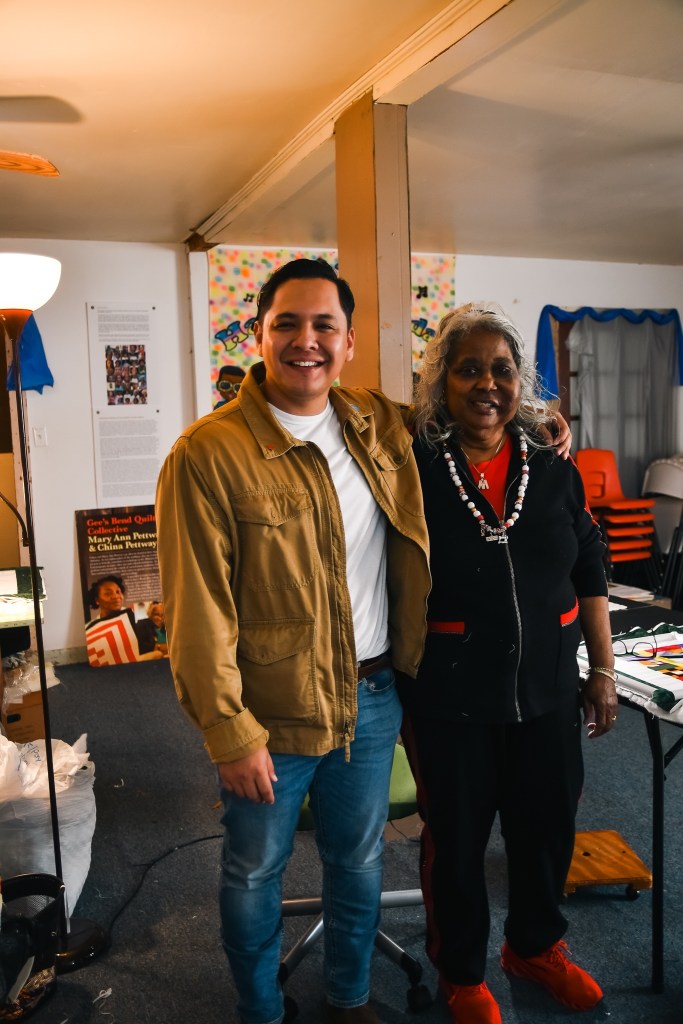
The quilts were often made from old clothes, feed sacks, and fabric scraps—materials that were readily available in times of economic hardship. But they were more than functional; they became a medium for creativity and self-expression, with each stitch carrying a story, a memory, a piece of the maker’s soul.
The patterns, too, tell a story. The quilters of Boykin developed distinctive motifs, each one unique to the town, influenced by both African traditions and Southern heritage. The “Boykin Star,” for instance, is a popular pattern that radiates outward like the rays of the sun, a symbol of hope and renewal.
The “Tulip” design, another local favorite, reflects the women’s connection to the land, a tribute to the bounty of the earth that sustained them through hard times. These patterns are not just designs; they are living symbols of the history and values that shaped Boykin.
For much of the twentieth century, quilting in Boykin remained a private endeavor, confined to the homes of the town’s women. But as the years passed, the quiltmakers began to realize that their work was too important to remain hidden in the shadows.
In the 1980s, a small group of women, including local legend Flora Mae Thurman, began gathering in earnest, hosting quilting bees and teaching younger generations the art of making these intricate, meaningful pieces. With each new quilt, the history of Boykin, its struggles, triumphs, and joys—was immortalized in fabric.
One of the most significant developments in Boykin’s quilting tradition came in 1983 when the Boykin Quilters hosted their first official quilt show. The event was an immediate success, attracting visitors from across the state and beyond. For the first time, the quilts of Boykin were given the recognition they deserved. What had once been a local pastime was now celebrated as a regional treasure.
Today, the legacy of the Boykin quilters is carried forward by a new generation of women who continue to stitch not only quilts but the very fabric of the town’s identity.
Boykin is a quintessential rural Alabama town, located about 20 minutes from Alberta along Highway 5 and 30 minutes from Camden. One of the more unique ways to reach Boykin is by a 5 dollar ferry, which carries both locals and visitors across the river, delivering them onto the town’s quiet, unassuming streets.
For the women of Boykin, quilting is not merely a craft; it is an act of resistance, a way to preserve their stories in the face of erasure, a means of holding onto their roots in a world that often threatens to uproot them. Billboards and handmade signs highlight the local craft, reinforcing its deep cultural significance.
One of the most powerful aspects of the Boykin quilters’ work is the way they blend tradition with innovation. While they continue to use the techniques and materials passed down through generations, many of today’s quilters are incorporating new influences into their designs. They experiment with color, pattern, and technique, infusing their work with contemporary sensibilities while honoring the traditions that came before them. This fusion of old and new keeps the art form alive and serves as a testament to the resilience of the quiltmakers themselves.
Though the town may be small, its impact on the quilting world is undeniable. Guest Books filled with names from visitors around the world bear witness to its far-reaching influence.
The quilts made here are not just works of art; they are a bridge between the past and the future, a connection between the land, the people, and the stories that bind them together. Their tradition stands as a reminder that the stories of Black people, particularly women, are worth telling, preserving, and celebrating.
 Eduardo Magaña
Leave a comment